Key points
- Prevention is possible
- Screening complements lifestyle
- Small habits matter
- Vaccination prevents some cancers
Lifestyle choices that lower cancer risk: what to know
Not all cancers are preventable, but a significant proportion are strongly influenced by lifestyle. The same habits that protect heart health — regular movement, balanced eating, limiting alcohol, not smoking, maintaining a healthy weight — also lower cancer risk. This is one of the most encouraging facts in public health, and it places real, everyday power in individual hands.
Not smoking is the single most powerful cancer-prevention action available. Tobacco causes a large share of all cancer deaths and many other serious diseases. The benefits of quitting begin within days and continue for years, and support to quit — through your EAP, pharmacy or clinic — makes it far more likely to succeed than going it alone. It is never too late.
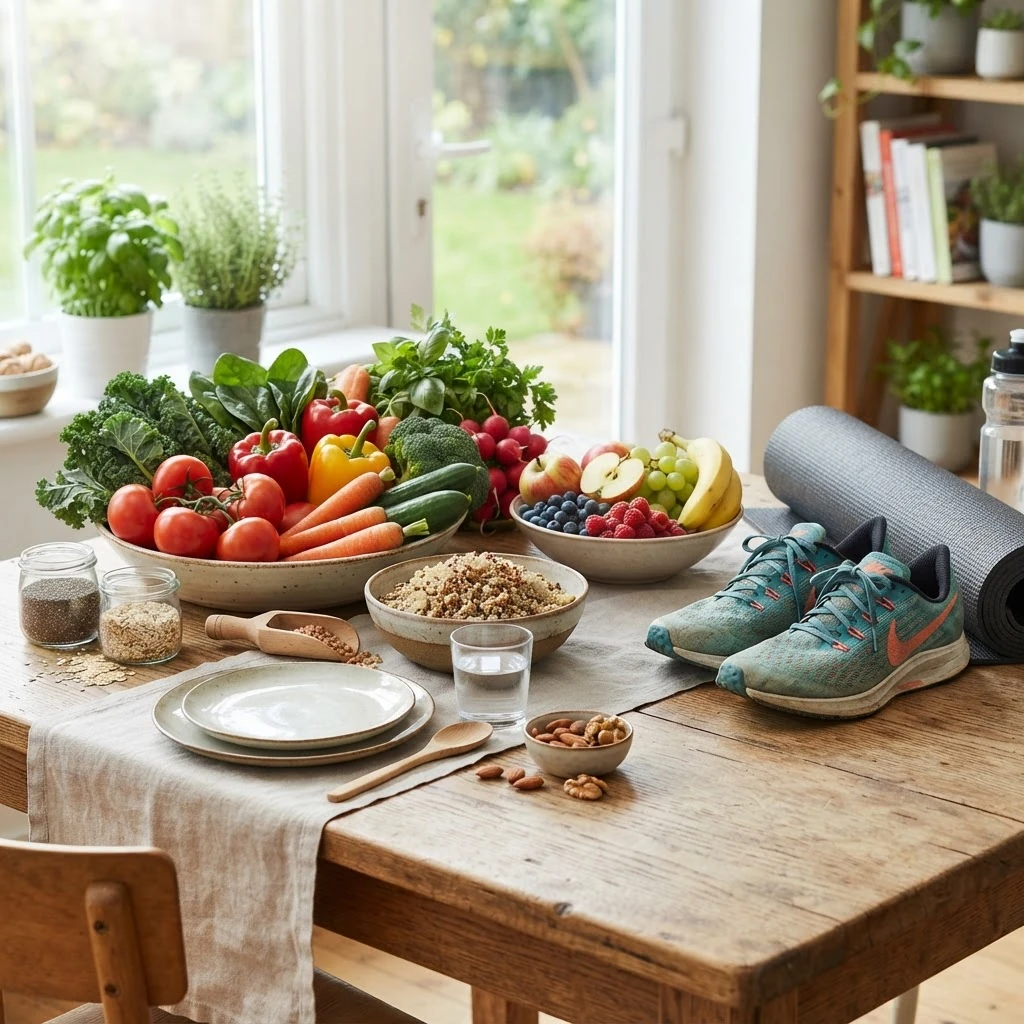
Movement matters more than most people realise. Regular physical activity is linked to lower risk of several cancers — breast, colon and others — independently of weight. Aim for regular, moderate activity most days; the exact type matters less than the consistency. As with all lifestyle change, the best routine is the one you'll keep.
Eating well plays a role too. A diet rich in vegetables, fruit, whole grains and legumes, and limited in processed foods, red and processed meat, supports lower cancer risk. There is no single 'superfood' or villain; the overall pattern is what counts. Mediterranean-style and similar whole-food patterns are consistently associated with lower risk across many conditions, cancer included.
Limiting alcohol is important and often underestimated. Alcohol is a recognised carcinogen, linked to several cancers including breast, liver, oesophageal and colorectal. Risk rises with intake, so less is genuinely better. The often-quoted 'moderate' benefits for heart health have been substantially revised by recent evidence; for cancer prevention, the safest intake is low to none.
Other protective factors include sun protection (skin cancers are among the most common and most preventable), maintaining a healthy weight, and vaccination against HPV and hepatitis B, which prevent the infections that cause several cancers. These vaccinations are among the most powerful preventive tools in all of medicine and are widely available.
Screening does not prevent cancer, but it catches it early when treatment is most effective, and it complements lifestyle perfectly. No single choice guarantees protection, but consistent healthy habits — stacked over years — shift the odds meaningfully in your favour. The goal is not perfection; it is direction, sustained long enough to matter.
This article provides general educational information. It does not replace advice from a qualified health professional.